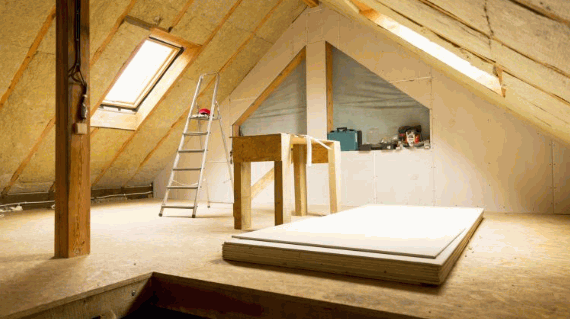

Considering a loft conversion for your home? It is essential to insulate your loft conversion for various reasons, like improving energy efficiency, reducing noise pollution, and increasing comfort.
In this article, we explore the different types of insulation available for loft conversions, including fiberglass, cellulose, spray foam, mineral wool, and rigid foam. We also discuss factors to consider when selecting the best insulation for your loft conversion, such as roof structure, budget, climate, and desired level of insulation.
We provide tips on properly insulating your loft conversion, including insulating the roof, walls, floor, and around windows and doors. Make your loft conversion as energy-efficient and comfortable as possible!
What Is A Loft Conversion?
A loft conversion is a transformative home improvement project that involves converting an underutilized attic or loft space into a functional living area, often adhering to specific Building Regulations for safety and design standards, as featured in Homebuilding & Renovating guides.
There are several types of loft conversions, including roof light, dormer, hip-to-gable, and mansard conversions, each offering unique benefits and design possibilities.
- Roof light conversions are popular for their simplicity and cost-effectiveness, adding natural light without changing the roofline.
- Dormer conversions, on the other hand, provide additional floor space and headroom by extending the existing roof.
- Hip-to-gable conversions involve extending the sloping “hip” roof to create a vertical “gable” wall, ideal for semi-detached or detached properties.
- Mansard conversions feature a flat roof with a rear wall sloping inwards, maximizing usable space and creating a distinctive architectural aesthetic.
Regardless of the type chosen, compliance with Building Regulations is crucial to ensure structural integrity, safety, and energy efficiency.
Explore: How To Convert Loft Into Room
Why Insulate A Loft Conversion?
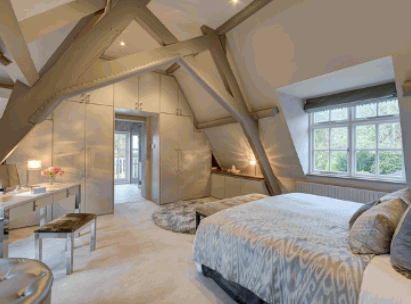
Insulating a loft conversion is a crucial step not only for enhancing thermal performance and energy efficiency but also for meeting Building Regulations and ensuring a comfortable living space throughout the year.
To Improve Energy Efficiency
One of the primary reasons to insulate a loft conversion is to significantly improve energy efficiency by using high-quality insulation materials with low thermal conductivity.
Insulation materials play a crucial role in reducing heat loss by creating a barrier that prevents the escape of heat in winter and keeps the interior cool in summer.
- Materials such as spray foam insulation and fiberglass are commonly used due to their effectiveness in minimizing thermal conductivity, which measures how well a material conducts heat.
- By selecting the right insulation materials, homeowners can not only enhance comfort levels but also achieve substantial long-term energy savings by reducing heating and cooling costs.
To Reduce Noise Pollution
Installing proper insulation in a loft conversion can greatly reduce noise pollution, thereby enhancing the overall comfort of the living space.
Soundproofing a space through insulation involves selecting the right materials that effectively absorb, dampen, or block sound waves.
- A popular option for soundproofing is mineral wool insulation, which not only reduces noise transmission but also provides excellent thermal insulation, thus helping in energy efficiency.
- Another effective soundproofing material is acoustic foam, commonly used in recording studios and home theaters for its sound-absorbing properties.
- For floors, mass-loaded vinyl (MLV) is often used as it adds density to minimize impact noise like footsteps or vibrations.
To Increase Comfort
Proper insulation in a loft conversion is essential for increasing the comfort level by maintaining a stable indoor temperature and enhancing thermal performance.
By ensuring that heat is retained in the winter and kept out in the summer, you can create a cozy and consistent atmosphere throughout the year. One of the most crucial factors in this process is the selection of the right insulation materials. Options like fiberglass, foam board, and cellulose are known for their excellent thermal insulating properties, effectively reducing heat transfer and energy loss. These materials not only enhance the overall comfort but also contribute to energy savings and a more environmentally friendly household.
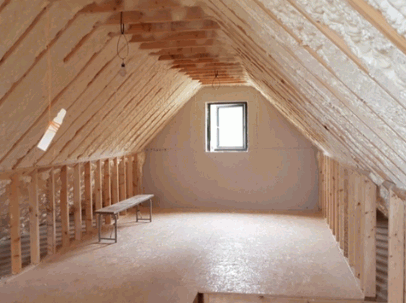
What Are The Different Types Of Insulation For Loft Conversions?
Several types of insulation materials are suitable for loft conversions, including popular choices like Kingspan and Celotex boards, as well as natural options like wood wool and recycled newspaper, each offering unique benefits for thermal performance and energy efficiency.
Fiberglass Insulation
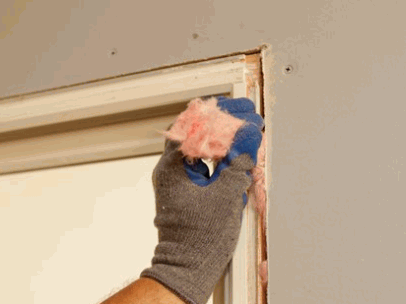
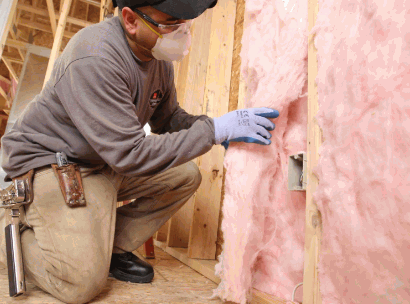
Fiberglass insulation is a widely used and cost-effective option for DIY loft conversions, known for its ease of installation and good thermal performance.
One of the key properties of fiberglass insulation is its excellent thermal resistance, which helps in regulating indoor temperature, keeping the space warm in winter and cool in summer. The installation process involves cutting the insulation batts to fit between the joists or studs in the walls or ceilings, ensuring a snug and effective barrier against heat transfer.
Another advantage of fiberglass insulation is its affordability, making it a budget-friendly choice for homeowners looking to improve energy efficiency. It’s important to note that fiberglass insulation can be irritating to the skin and respiratory system during installation, requiring proper protective gear.
Cellulose Insulation
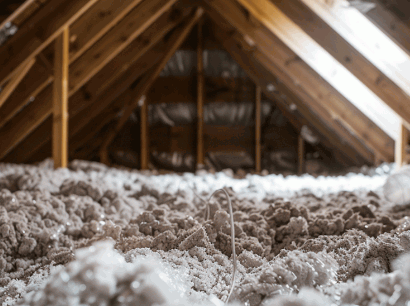
Cellulose insulation, primarily made from recycled newspaper, is an eco-friendly option that offers excellent thermal performance for loft conversions.
This type of insulation undergoes a production process where the recycled newspaper is treated with fire-retardant chemicals to enhance its resistance to flames. Once installed, cellulose insulation effectively reduces heat loss by creating a barrier that traps air pockets, preventing the transfer of heat through conduction. Its thermal properties make it a popular choice for improving energy efficiency in homes and buildings, helping to lower heating and cooling costs. Moreover, cellulose insulation is sustainable, as it promotes the reuse of materials that would otherwise end up in landfills, contributing to environmental conservation.
Spray Foam Insulation
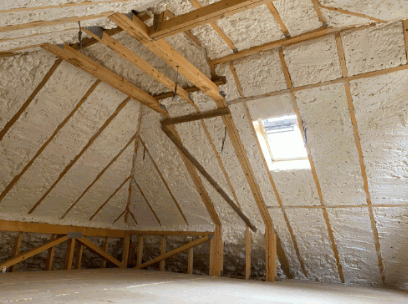
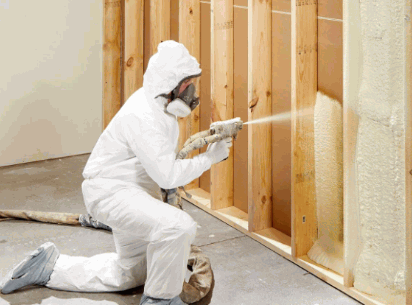
Spray foam insulation is a versatile and highly effective option for loft conversions, capable of sealing gaps and insulating around rafters and other hard-to-reach areas.
When applying spray foam insulation, typically involves mixing two chemical components at the nozzle of a spray gun, causing the mixture to expand and harden. This expansion allows the foam to fill in gaps and cracks, providing a seamless and airtight barrier. The benefit of this process is that it can effectively seal all areas, including irregular shapes and sizes, ensuring a complete air seal. This air sealing capability helps to prevent air leakage, reducing energy costs and improving thermal performance.
Mineral Wool Insulation
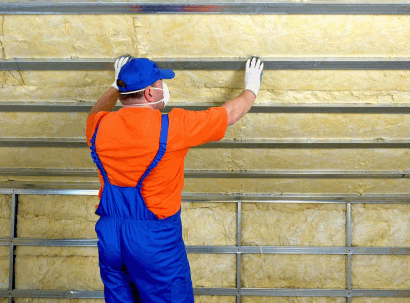
Mineral wool insulation is known for its excellent thermal properties and soundproofing capabilities, making it a popular choice for loft conversions.
One of the major advantages of mineral wool insulation is its ability to effectively regulate indoor temperatures by trapping heat in winter and keeping the interior cool in summer. Mineral wool is highly effective at absorbing sound waves, making it a top choice for blocking unwanted noise in residential and commercial spaces. In terms of installation, mineral wool insulation comes in batts or rolls that can be easily fitted between wall studs, ceiling joists, or attic rafters. Compared to other insulation materials, mineral wool is fire-resistant, and mold-resistant, and provides long-lasting thermal and acoustic performance. Whether you’re looking to improve thermal insulation or reduce noise levels, mineral wool is a versatile solution that offers both benefits.
Rigid Foam Insulation
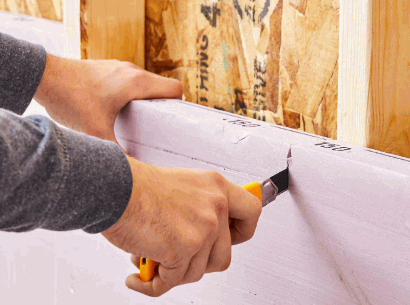
Rigid foam insulation, including products from Kingspan and Celotex, offers superior thermal performance and moisture resistance, making it ideal for loft conversions.
One of the key benefits of rigid foam insulation is its high K value, indicating its exceptional ability to resist heat flow and provide efficient insulation. This results in significant energy savings and reduced heating costs for homeowners. Kingspan and Celotex boards are known for their durability and long lifespan, ensuring lasting thermal performance in loft spaces. Not only do these boards effectively regulate temperatures in the converted space, but they also help create a comfortable living environment all year round.
Which Type Of Insulation Is Best For A Loft Conversion?
Choosing the best type of insulation for a loft conversion involves considering factors such as the roof structure, budget, climate, and desired level of thermal conductivity, ensuring that the selected material provides optimal performance and cost-effectiveness.
Consider The Roof Structure
When selecting insulation for a loft conversion, it’s important to consider the roof structure, as the type of rafters and the available space between them will determine the most suitable insulation layer.
Roof structures, whether pitched or flat, have a significant impact on insulation choices. In a pitched roof with attic space, traditional insulation materials like mineral wool or foam boards are commonly used to insulate between rafters.
For flat roofs or rooms with limited headroom, rigid foam insulation boards laid over the roof deck can be a practical solution. When fitting insulation, measuring and cutting it to fit snugly around rafters is crucial to prevent thermal bridging and ensure an effective barrier against heat loss.
Consider The Budget
Considering the budget is crucial when choosing insulation for a loft conversion, as there are numerous cost-effective options available that do not compromise on thermal performance.
One of the key factors to keep in mind is the material used for insulation, as it significantly impacts both initial costs and long-term benefits. Fiberglass insulation, known for its affordability, is a popular choice for many, providing decent thermal resistance at a reasonable price point. On the other hand, spray foam insulation offers superior thermal performance, but at a higher cost initially. Its energy-saving capabilities can lead to significant savings on heating and cooling costs in the long run.
Consider The Climate
The local climate plays a significant role in determining the best insulation for a loft conversion, as materials with high thermal performance are essential in colder regions, while those with moisture resistance may be needed in humid areas.
In colder regions where harsh winters prevail, fiberglass insulation is often recommended due to its excellent thermal properties, effectively retaining heat within the living space. On the other hand, areas with high humidity levels, such as coastal regions, benefit from spray foam insulation that provides a barrier against moisture infiltration.
For regions with varying climates, like temperate zones, a combination of materials such as cellulose insulation and rigid foam boards may offer the best solution. These versatile options cater to both heat retention and moisture control, adapting to the changing weather conditions.
Consider The Desired Level Of Insulation
The desired level of insulation is a key factor in selecting the appropriate material, with options ranging from basic to high-performance insulations with low K values for superior thermal efficiency.
Regarding insulation, the K value plays a crucial role in determining how effective a material is at resisting heat flow. The lower the K value, the better the insulation performance, as it indicates lower thermal conductivity. For instance, materials like aerogel and polyurethane spray foam have exceptionally low K values, making them ideal choices for loft conversions where maximum thermal efficiency is desired.
These high-performance insulation materials not only provide superior thermal resistance but also contribute to energy savings by reducing heating and cooling costs. They can help maintain a comfortable indoor temperature throughout the year, leading to a more energy-efficient and sustainable living space.
How To Insulate A Loft Conversion?
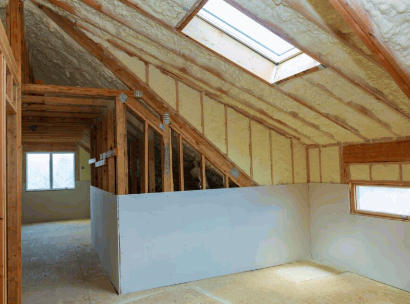
Insulating a loft conversion can be approached as a DIY project or with the assistance of a professional, and involves several key steps including insulating the roof, walls, floor, and around windows and doors to ensure comprehensive thermal efficiency.
Insulate The Roof
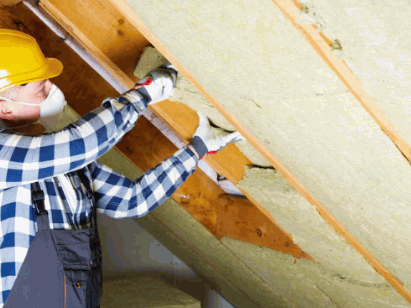
Insulating the roof is a critical step in a loft conversion and can be effectively achieved using multi-layer insulation products like SuperQuilt, which offer excellent thermal performance.
Before diving into the installation process, it is crucial to start with the necessary preparations. Begin by ensuring the attic or loft space is clean and free of any debris. Next, measure the area accurately to determine the amount of insulation needed. Once the preparation is complete, it’s time to install the SuperQuilt insulation. Lay the SuperQuilt rolls perpendicular to the rafters, ensuring an overlap of at least 50mm to prevent any gaps. Remember that the key to effective insulation is ensuring proper coverage and sealing any joints or edges tightly.
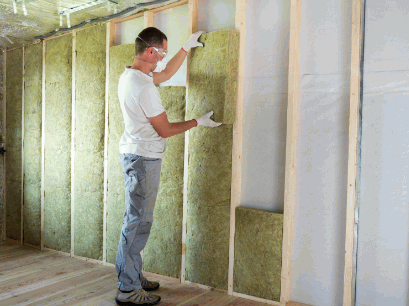
Insulate The Walls
To maximize thermal performance in a loft conversion, it’s essential to insulate the walls using appropriate materials that ensure effective thermal barriers.
One of the key aspects to consider when insulating walls is the choice of materials. Selecting the right insulation materials such as fiberglass, foam board, or cellulose can significantly impact the overall energy efficiency of the space. These materials create a barrier against heat loss in winter and heat gain in summer, helping maintain a comfortable indoor temperature throughout the year.
Proper installation techniques are equally important to ensure the insulation functions effectively. Sealing any gaps or cracks helps prevent air leakage, further enhancing the thermal efficiency of the walls.
Insulate The Floor
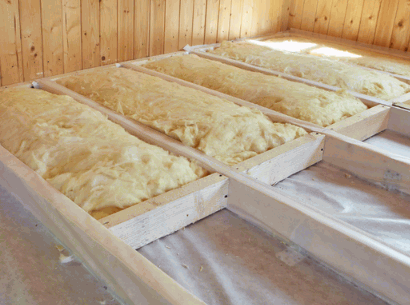
Insulating the floor of a loft conversion is vital for reducing heat loss and improving thermal conductivity, thereby enhancing the comfort and energy efficiency of the living space.
There are various methods that can be utilized to insulate a floor effectively. One common approach is using rigid foam boards, which offer excellent thermal resistance and are relatively easy to install. Another option is spray foam insulation, which can provide a seamless barrier against heat loss. Additionally, fiberglass batts and mineral wool are popular choices due to their affordability and versatility.
Regarding installation, ensuring proper sealing of gaps and joints is crucial to prevent air leakage, which can significantly impact the insulation’s effectiveness. Moreover, underfloor heating systems can be integrated with insulation to further enhance thermal comfort and energy efficiency.
Insulate Around Windows And Doors
Properly insulating around windows and doors is crucial for preventing drafts and maintaining energy efficiency in a loft conversion.
When sealing gaps around windows and doors, use silicone caulking for a durable and effective solution. Consider weatherstripping to create a tight seal. Another key tip is to install foam or rubber strips to fill any gaps along the edges. For insulation materials, fiberglass, and foam board are popular choices for their thermal resistance properties.
Properly insulated windows and doors can significantly reduce heat loss and help regulate indoor temperatures, leading to lower energy bills and a more comfortable living space. Prioritizing insulation in your loft conversion project can also enhance the overall sustainability of your home.