


Blocked drains can be a frustrating and costly issue for homeowners. From common culprits to signs of a blocked drain, this article will cover everything you need to know about unblocking drains.
We will also discuss the average cost of unblocking a drain and the factors that can affect this cost. Whether you need to plunge, use a drain snake, or opt for professional help, we will explore the different methods of unblocking drains.
We will provide tips on how to prevent blocked drains in the future.
What Causes Blocked Drains?
Blocked drains can be caused by various factors, including debris buildup, tree roots infiltrating the pipes, or even structural issues within the main sewer line. Identifying the root cause of a blocked drain often requires a thorough inspection, such as using a camera to assess the extent of the blockage.
Debris accumulation, resulting from items like grease, hair, or soap scum, is a common culprit in causing blockages. Over time, these substances can congeal and obstruct the flow of water through the pipes. Regarding tree roots, they are relentless in their search for moisture and can penetrate pipes, causing significant blockages. Structural problems like pipe misalignment or cracks can also lead to blockages.
Camera inspections play a crucial role in identifying these issues by providing a detailed view of the pipe’s condition and enabling targeted solutions to address the root cause of the blockage.
What Are The Common Culprits Of Blocked Drains?
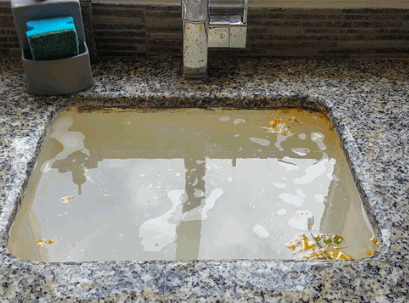
Common culprits of blocked drains include the accumulation of household waste, different types of drain clogs like grease or hair, and the presence of warning signs such as slow drainage or foul odors.
Household waste, including food scraps, soap scum, and toilet paper, can easily build up in drains over time, leading to blockages. Grease is another major culprit, as it solidifies within pipes, restricting water flow. Hair is a frequent offender, especially in shower drains, forming stubborn clogs that impede proper drainage.
It’s crucial to pay attention to warning signs like gurgling noises, water backing up, or recurring blockages, as they indicate potential issues that need prompt attention to prevent further damage.
How Can You Tell If Your Drain Is Blocked?
Recognizing whether your drain is blocked involves observing warning signs such as water backing up, gurgling noises, or slow drainage. Conducting a video inspection can provide a visual confirmation of the blockage location and severity.
Blocked drains can lead to several visible indicators that signal potential trouble. One clear sign is water backing up in sinks, showers, or toilets, indicating a possible blockage in the pipes. If you hear gurgling noises when water is draining, it could signify a clog in the system. Slow drainage, where water takes longer than usual to empty from sinks or tubs, is another red flag.
Video inspections offer a comprehensive approach to identifying blockages. By inserting a small camera into the plumbing system, professionals can view real-time footage of the interior pipelines. This method allows for a detailed analysis, precise location detection, and assessment of blockage severity without the need for costly, invasive measures.
How Much Does Unblocking A Drain Cost?
The cost of unblocking a drain can vary based on factors such as the severity of the blockage, the time required for repairs, and whether it’s an emergency situation. On average, the cost typically falls within a certain range, with emergency drain cleaning services incurring additional expenses.
When looking at the average costs, homeowners can expect to pay anywhere from $100 to $400 for drain unblocking services. The price range can widen depending on the complexity of the issue and the labor involved. In cases where immediate attention is needed, emergency service charges might apply, leading to a sudden spike in the overall cost. It’s essential for property owners to be prepared for such instances by understanding the potential variance in pricing for drain cleaning services.
What Factors Affect The Cost Of Unblocking A Drain?
Several factors influence the cost of unblocking a drain, including the complexity of the blockage, the need for specialized services like Roto-Rooter, and whether you choose to hire a professional plumber for the task.
Drain blockages can vary greatly in complexity, ranging from simple clogs to more severe obstructions caused by tree roots or debris buildup. This complexity directly impacts the time and resources needed to effectively clear the blockage, consequently affecting the overall cost.
Specialized services like Roto-Rooter are often required for challenging blockages that standard methods cannot easily resolve. These specialized techniques and equipment come at a premium, influencing the final pricing of the service.
Opting for professional plumbing services adds another layer of cost, but it also ensures expert handling of the issue, potentially preventing future problems and costly repairs. Professional plumbers often offer guarantees on their work, providing added peace of mind for homeowners facing drain issues.
What Is The Average Cost Of Unblocking A Drain?
The average cost of unblocking a drain typically ranges from a certain minimum to a maximum, depending on the extent of the blockage and any necessary repairs. Repair costs may vary based on the severity of the issue and the techniques used for clearing the drain.
Regarding drain unblocking costs, factors such as the location of the blockage, accessibility of the pipes, and the complexity of the plumbing system can all influence the final expense. In general, a simple blockage near the surface may cost less to clear compared to a more intricate obstruction deep within the pipes. The type of drain, whether it’s a kitchen sink, bathroom drain, or main sewer line, can impact the overall pricing.
Are There Any Additional Costs To Consider?
Plus the basic unblocking costs, there may be supplementary expenses to consider, such as hiring a professional plumber for specialized services or addressing unforeseen issues that arise during the drain cleaning process.
When dealing with drain unblocking, it’s vital to recognize that the price tag can quickly escalate beyond the initial estimation. For instance, if the blockage is severe or located deep within the plumbing system, the expertise of a professional plumber may be required. Their specialized equipment and skills come at an additional cost, especially if the blockage is challenging to access.
During the cleaning process, unforeseen complications like corroded pipes, collapsed drains or root intrusions may surface. These unexpected issues demand immediate attention and further expenditures to resolve, driving up the overall expenses.
What Are The Different Methods Of Unblocking A Drain?
There are various methods available for unblocking drains, ranging from DIY approaches using household tools like a plumbing snake or chemical drain cleaner to professional techniques such as hydrojetting that utilize high-pressure water to clear blockages.
DIY options are often the first choice for many homeowners dealing with minor drain blockages. For example, using a plumbing snake can be effective in retrieving hair or debris causing the clog. Some opt for chemical drain cleaners to break down the blockage substances. For more stubborn or recurring issues, turning to advanced solutions like hydrojetting can provide a thorough and long-lasting solution. This method uses a specialized nozzle to blast high-pressure water through the pipes, removing even the toughest clogs. When considering which method to use, it’s essential to assess the severity of the blockage and choose the most suitable approach for effective results.
Explore in-depth: Can You Use Drain Cleaner In Kitchen Sink
Plunging
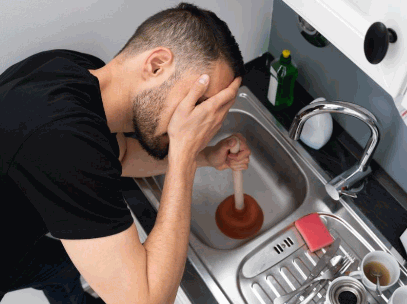
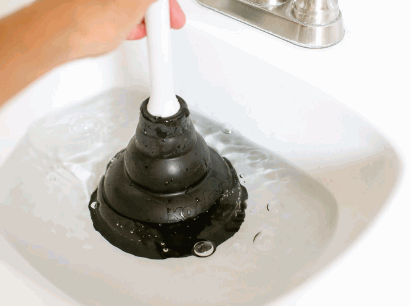
Plunging is a common method for addressing minor drain clogs or blockages, using a suction force to dislodge the obstruction and restore proper flow in the pipe.
When using the plunging technique, it is essential to create a tight seal between the plunger and the drain opening to maximize the suction power. The repeated up-and-down motion creates pressure changes that help break up the clog, allowing it to move through the pipe more easily. The effectiveness of plunging largely depends on the nature of the blockage; it works best for organic materials like hair, soap scum, or food particles.
Using A Drain Snake
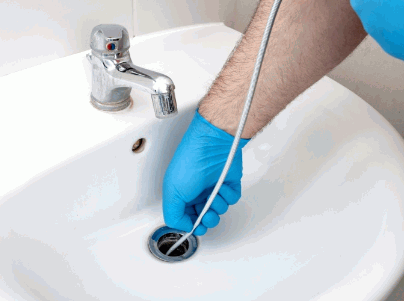
Using a drain snake, also known as an auger, involves inserting a flexible coil through the drain to break up clogs or blockages, allowing for improved water flow and drainage.
When using a plumbing snake, it’s essential to first locate the clog or obstruction in the drain. Once identified, the snake is fed carefully into the drain opening and pushed further down with a twisting motion. The flexible coil of the drain snake works its way through the pipes, disrupting and breaking apart any accumulated debris. This process is highly effective in dislodging even the most stubborn clogs, restoring proper flow, and preventing potential backups.
Hydro Jetting
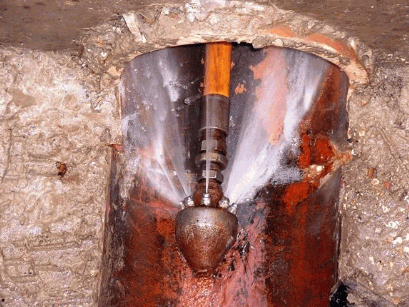
Hydrojetting is a powerful method that utilizes high-pressure water streams to clear out severe blockages in sewer lines or main drain pipes, effectively removing debris and restoring optimal flow.
One of the key advantages of hydrojetting is its ability to reach clogs that are deep within the pipes, ensuring a thorough cleaning process. The high-pressure water can dislodge even the toughest build-ups like tree roots, grease, and mineral deposits, which are often resistant to traditional drain cleaning methods. Hydrojetting is environmentally friendly as it relies on water pressure instead of harsh chemicals. This method not only clears the blockages but also cleans the inside of the pipes, preventing future clogs. Overall, hydrojetting is a highly effective and efficient solution for maintaining clear and functional sewer lines.
Chemical Drain Cleaners
Chemical drain cleaners are DIY solutions that utilize powerful chemicals to dissolve organic clogs like hair or grease, providing a convenient method for clearing minor blockages in household drains.
These products typically contain ingredients such as hydrochloric acid, sulfuric acid, or lye, which work by breaking down the material causing the blockage. They are particularly effective against organic substances that may build up in drains over time.
One of the main advantages of using chemical drain cleaners is their quick action, as they can usually clear a clog within 30 minutes to a few hours, depending on the severity of the blockage.
When Should You Hire A Professional To Unblock Your Drain?
Deciding to hire a professional plumber for drain unblocking is advisable in cases of complex blockages, recurring issues, or emergencies requiring immediate attention. Emergency drain cleaning services may be necessary for severe or urgent situations.
Complex blockages, such as tree roots infiltrating pipes or solid debris buildup, often go beyond the capabilities of DIY methods and require specialized tools and knowledge.
In emergency situations, like a sewer backup causing flooding or foul odors indicating a severe blockage, prompt professional intervention is crucial to prevent further damage and restore normalcy.
Professional plumbers have the expertise to diagnose the root cause of the blockage, ensuring a thorough and long-term solution, which surpasses temporary fixes that may arise from amateur efforts.
How Can You Prevent Blocked Drains In The Future?
Implementing preventative measures is key to avoiding blocked drains in the future, such as installing plumbing vents to promote proper drainage, or addressing tree root intrusions that could lead to pipe blockages.
Regular maintenance of drainage systems is essential for a smooth-flowing plumbing system. This includes periodic inspections to detect any early signs of blockages and promptly address them. Proper disposal of grease, oils, and other debris can prevent buildup within the pipes.
Preventive measures may also involve using drain covers to catch hair and other solid materials before they cause blockages. Considering the location of trees in relation to underground pipes can help in effective tree root management, reducing the risk of intrusions and subsequent clogs.
Regular Maintenance
Regular maintenance of the drainage system can help prevent clogged drains by addressing early signs of blockages, clearing debris buildup, and ensuring proper flow throughout the pipes.
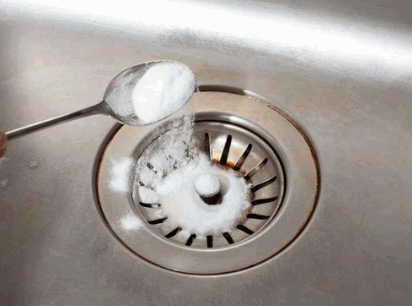
By staying proactive in maintaining your drainage, you not only avoid inconvenient blockages but also extend the lifespan of your plumbing system. Simple practices like regularly flushing drains with hot water and vinegar solution can break down any grease or soap residue that might accumulate over time.
Using drain guards in sinks and showers can catch hair and larger particles before they enter the pipes, reducing the chances of major clogs. Regular inspection of your pipes allows you to detect any potential issues early on, saving you from costly repairs down the line.
Proper Disposal Of Waste
Proper disposal of waste plays a crucial role in preventing drain clogs, as avoiding the introduction of grease, oil, and non-biodegradable materials into the drains reduces the risk of blockages and backups.
It is essential to remember that when these substances accumulate in the pipes, they can solidify and obstruct the flow of water, leading to potentially serious issues.
By adopting responsible waste management practices, individuals can significantly reduce the likelihood of facing costly and inconvenient drain blockages.
Regular maintenance of drainage systems and septic tanks, coupled with conscientious waste disposal habits, contributes to a healthy and efficient plumbing infrastructure.
Proper education on the proper disposal of household waste is also key to creating a more sustainable and functional waste management system.
Using Drain Screens
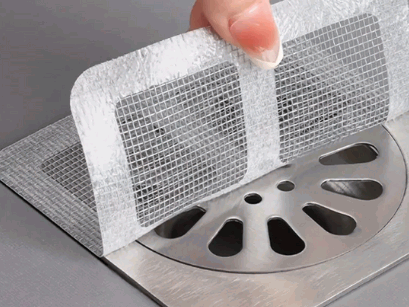
Using drain screens or filters in sinks and showers can help prevent blockages by trapping hair, debris, and other particles that could accumulate and obstruct the drainage system.
By effectively capturing these particles, drain screens act as a barrier to ensure a smoother flow of water through the pipes. The design of these screens allows water to pass through while catching larger particles, therefore reducing the likelihood of clogs forming in the pipes. Incorporating drain screens into your regular maintenance routine can significantly reduce the need for frequent plumbing repairs and costly interventions.
Avoiding Grease And Oil Buildup
Avoiding the buildup of grease and oil in drains is essential for preventing blockages, as these substances can solidify and create stubborn clogs that impede water flow. Proper disposal or recycling of cooking fats can help maintain clear drains.
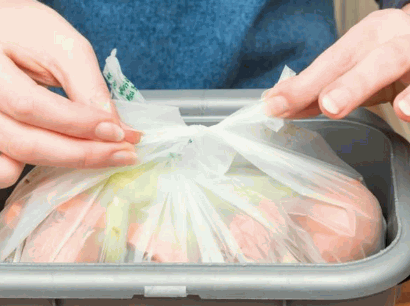
When grease and oil are poured down the drain, they might flow easily while hot, but as they cool, they form a thick conglomerate that clings to the pipe walls.
This buildup not only restricts water flow but also attracts other debris, leading to major blockages.
Regular maintenance and adopting eco-friendly habits can go a long way in protecting your plumbing system from costly repairs and replacements.