

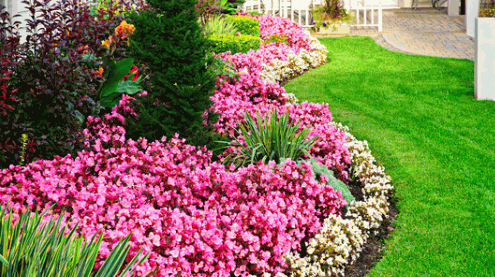

Garden edging is a must-have to add beauty and structure to any outdoor space. The right installation techniques create defined borders and keep grass/soil from invading your garden beds. Let’s explore the methods of installing garden edging so you can enhance your outdoor sanctuary.
Pick the right edging material. Options include wood, metal, brick, and plastic. Each has advantages and characteristics – think about what suits your needs best.
Prepare the area for the edging. Mark out the garden bed border with a string/spray paint. Dig a shallow trench along the perimeter.
Create a stable base for the edging material. Add sand or crushed gravel to fill any uneven spots in the trench. This will keep the edging secure and prevent shifting/sinking.
Carefully insert the edging into the trench. Make sure it fits securely and aligns with the desired height. Stakes/connectors may be needed depending on the material used.
Fine-tune the edging’s appearance. Use a level to check it’s straight and adjust as necessary. Add mulch/decorative stones along the inside edge of the border for a polished look.
What Is Garden Edging?
Garden edging is a great way to add structure and definition to your garden. It prevents grass and weeds from taking over, while also creating a neat, organized look. There are many materials you can choose from for edging, such as metal, plastic, wood, or stone. With these, you can create straight or curved shapes.
For a natural feel, use stones or pebbles. These are both attractive and long-lasting. Before laying down edging, use string or chalk to mark out the desired boundaries. This will help you get a professional finish!
Discover: Small Garden Landscaping Ideas On A Budget
Importance Of Garden Edging
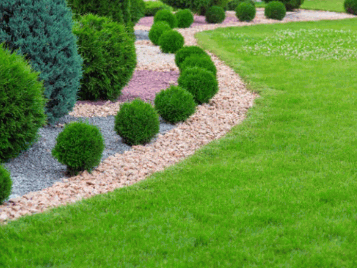
Garden edging is a must for a neat outdoor space. It’s like a barrier between your plants and the world around them. It defines boundaries and adds structure. Without it, your garden may look chaotic.
Not only does edging make your garden look nice, but it’s also practical. It stops grass from getting into flower beds. It also stops mulch or gravel from eroding away.
When choosing edging materials, there are lots of options. Concrete or stone is strong. Metal or plastic strips are versatile and easy to install. Wood or rocks give a more rustic look.
Tools And Materials Required For Installing Garden Edging
For a garden edging install, you’ll need a spade, measuring tape, level, landscape fabric, metal or plastic edging, and stakes. Also, a mallet or hammer to secure the stakes into the ground. The fabric prevents weeds from growing under the border.
Before you start, remove any existing grass or vegetation from the edge line. Dig a trench wider and deeper than the edging material you’re using. Put the fabric in the trench, then the edging, and secure it with stakes and a hammer.
In olden times, stones or bricks were used as natural borders. As time passed, metal and plastic became available for easy installation and long-lasting use. Now, gardeners have many choices for edging materials to make attractive and practical borders in their outdoor spaces.
Choosing The Right Type Of Garden Edging For Your Needs
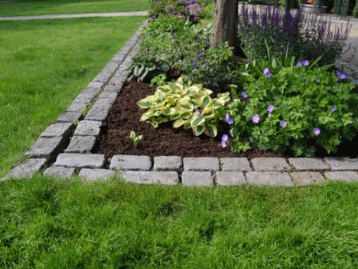
Garden edging is key for making your garden look great! It can stop grass and weeds from getting into your plants. To find what’s right for you, consider these points:
- Material: Metal, plastic, stone, or wood – decide based on your budget, style, and how long it should last.
- Style: Straight lines or curves – what do you want it to look like?
- Height: Low profile? Or tall edging for more protection?
- Maintenance: How much time can you give to keeping it clean? Some materials need to be repainted or sealed.
- Installation: Hammer-in, stake-down, or adhesive? Choose depending on your skills and time.
- Budget: Set a budget and get something of good quality.
Plus, some edging has extra features like irrigation channels or lighting. These can really make your outdoor space special.
So, research options, read reviews, and get advice from experts. Pick garden edging that fits your needs and preferences, and you’ll have a stunning landscape. Start your project now and make your neighbors jealous!
Check out: Cheap & Amazing Garden Edging Ideas You Can Try
Preparing The Area For Installation
If you want to install garden edging, there are some essential steps to take. Here’s a guide for you:
- Clear the area. Get rid of plants, rocks, and debris from the area where you will install the edging. This will give a smooth surface.
- Mark boundaries. Place stakes and string to mark the boundaries for your garden bed or path. This will let you know where to install the edging.
- Dig a trench. Dig a shallow trench with a garden spade or edging tool. The depth should be half the height of your chosen edging.
- Level the trench. Use a leveler or ruler to make sure the bottom of the trench is even. This will give stability to the edging when it is installed.
Remember to consider soil type, drainage, and maintenance before installation.
Step-By-Step Installation Process
- Prep the area: Measure and mark, then get rid of grass or plants.
- Dig a trench: Use a shovel or edger for the marked line. Make sure the trench is deep enough for the edging material.
- Add a base: Put in sand or gravel at the bottom of the trench for stability and drainage.
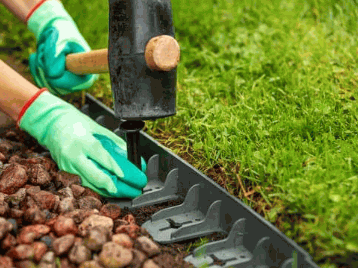
- Install edging material: Place it in the trench, ensuring it’s level and straight. Connect individual pieces with connectors or stakes.
- Secure the edging: Anchor it into the ground with metal stakes or screws at regular intervals.
- Fill in: Fill any gaps with soil or gravel, compacted for stability. Water it afterward.
Choosing metal or plastic is also recommended for long-lasting results. Cleaning and repositioning regularly helps extend the lifespan.
Finishing Touches And Maintenance Tips
To make garden edging look polished and beautiful, there are three key points to consider:
- Regularly clean debris, leaves, and weeds for a neat look and to avoid damage.
- Check for any broken or worn down sections and promptly replace them.
- Apply a protective sealant or coating to wood or metal edging to guard against weathering, moisture damage, and fading.
Unique details depend on the material used and the local climate.
Garden edging dates back to the Renaissance era in Europe. It was used as a decoration and to divide garden sections. Over time, different materials such as stone, brick, and shells were used. Nowadays, garden edging is a key part of landscape design, adding both function and beauty to outdoor spaces.
Conclusion
Garden edging is essential for a polished and organized garden. Firstly, know the purpose: decorative or keeping plants in? This will help you decide on design and materials. Metal, plastic, bricks, and stones are all options. Leveling and spacing are key with bricks or stones. Flexible materials require a trench first. Maintenance should also be considered. Studies show garden edging increases property value! With careful consideration, you can create a beautiful, organized outdoor space.