

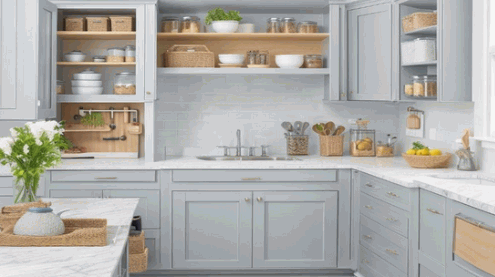

Designing your kitchen can make a huge difference to its look and feel. To make sure you don’t make the five worst design mistakes, you must understand the key aspects that can ruin or save your design plan. Think about factors such as workflow, storage solutions, lighting, appliance placement, and materials. You can then create a great-looking, efficient kitchen that meets your needs and makes cooking a pleasure.
Flow is the most important element. You should plan a layout that minimizes the distance between core work areas like the sink, stove, and fridge. This will increase efficiency and reduce unnecessary steps.
Storage is also essential for a clutter-free, organized kitchen. Add pull-out drawers for pans, and vertical dividers for baking sheets, and make the best use of every inch of space.
Make sure the lighting is right. Different types of lighting like ambient, task, and accent lighting, will create a functional and inviting atmosphere.
Also, be aware of appliance positioning. Place them neither too close nor too far apart. Find a balance that gives easy access and efficient use without taking away the workspace.
Lastly, pick durable materials that are attractive and hard-wearing. Quartz or granite countertops will look great and last well. Choose flooring that is easy to clean and comfortable.
By following these design principles, you can avoid the five common kitchen design mistakes and make your dream kitchen come true. It will be the heart of your home, with a style that fits your personal taste and practical needs.
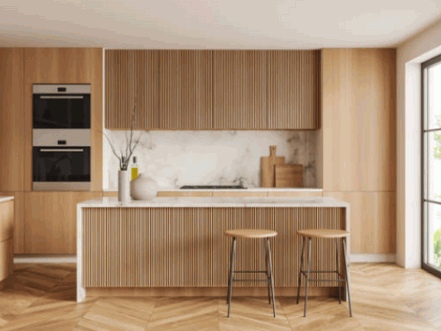
Overview Of The 5 Worst Kitchen Design Mistakes
The kitchen is essential to any home, and its design affects its effectiveness and beauty. To make sure you get the best kitchen design, it’s important to avoid common mistakes. Here are 5 of the worst kitchen design mistakes and how to avoid them:
- Poor layout planning: Disorganization leads to time-wasting tasks in the kitchen. Consider the relationship between the refrigerator, sink, and stove, and position them efficiently for smooth movement during food prep.
- Inadequate storage solutions: Lack of storage leads to countertop clutter and difficulty finding things. Include plenty of cabinets, drawers, and pantry space to keep the kitchen organized and give easy access to cookware, utensils, and ingredients.
- Ineffective lighting choices: Bad lighting hinders visibility when cooking or doing kitchen tasks. Include task lighting, ambient lighting, and natural light sources to create a bright environment that works for function and ambiance.
- Lack of counter space: Not enough counter space restricts meal preparation and appliance placement. Allocate enough countertop areas for food prep, cooking, and dining to maximize efficiency and usability.
- Ignoring ventilation needs: Poor ventilation leads to bad odors, and high moisture levels can damage surfaces. Install an effective range hood or exhaust fan system for good air circulation, minimal odors, and a clean environment.
Also, use durable materials for countertops, flooring, cabinets, and appliances for long-lasting and functional design. Avoid these kitchen design mistakes and you’ll have a beautiful, practical kitchen that meets your culinary needs.
Discover: Best Colors For Kitchen Walls
Mistake 1: Poor Layout And Inefficient Workflow
Don’t let a kitchen design disaster ruin your space! Here’s how to make sure your kitchen is aesthetically pleasing, functional, and efficient.
- Set a vision: Take some time to envision your kitchen size, family size, cooking habits, storage needs, and specific requirements.
- Plan the triangle: Connect the three main workstations – cooktop, sink, and refrigerator – in an imaginary line. Make sure they’re not too far apart!
- Maximize storage: Plan cabinets, drawers, and shelves based on your needs. Use corner cabinets and vertical storage for extra space.
- Consider traffic flow: Place appliances and fixtures away from pathways and busy areas.
- Focus on ergonomics: Pay attention to countertop height, cabinet handle placement, and easy access.
- Get professional advice: If you need help, seek a designer or architect who specializes in kitchen design.
Remember, every kitchen is unique. With proper planning, you can create a beautiful and efficient kitchen. Plus, a recent NKBA study found that 60% of homeowners regret not including enough storage space. So, don’t forget to plan for ample storage!
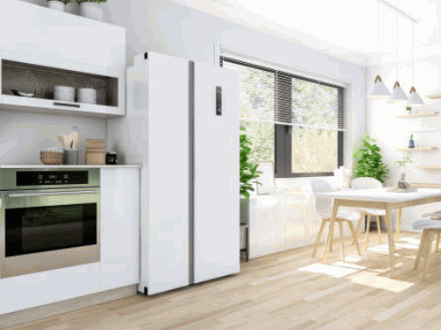
Mistake 2: Lack Of Storage Space
Struggling with storage in the kitchen? Try these tips to prevent chaos!
- Put up shelves or cupboards on top of your counters.
- Hang hooks and racks on the back of cabinet doors.
- Insert drawers or organizers into your cabinets.
Also, get creative! Corner shelves, baskets, and magnetic strips can help you store items.
Finally, did you know that 56% of homeowners increased their storage after renovating their kitchens?
Mistake 3: Inadequate Lighting
Inadequate lighting in the kitchen can be disastrous! It can lead to design mistakes that can make cooking and meal prep a struggle.
- Shadows: Poor lighting can cast shadows, making it tough to see ingredients or read recipes. This can slow down cooking.
- Uneven Illumination: Without proper lighting fixtures, certain areas may be too bright or too dark. Balanced illumination is key.
- Lack of Task Lighting: Inadequate task lighting makes it hard to read measurements or work with small ingredients.
- Aesthetics: Lighting shapes the ambiance and aesthetics of your kitchen. Poorly lit kitchens can look dull and uninviting.
- Safety Hazards: Poor visibility can result in burns from hot surfaces or utensils.
To ensure adequate kitchen lighting:
- Install overhead lights like recessed cans or pendant lights for ambient light.
- Add under-cabinet lights to enhance task lighting.
- Use adjustable track lights or spotlights to highlight features.
- Add dimmer switches to control the light.
- Utilize natural light with windows or skylights.
- Choose light fixtures that suit your decor and provide sufficient brightness.
By addressing inadequate lighting, you can create a well-lit and functional kitchen that enhances the practicality and aesthetics of your cooking experience.
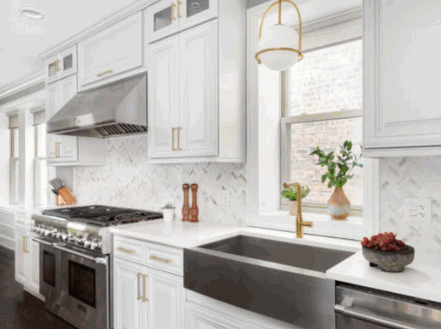
Mistake 4: Neglecting The Importance Of Ventilation
Neglecting ventilation in kitchen design is a huge bungle. Correct ventilation performs a critical role in keeping up great air quality and hindering the increase of smells, smoke, and destructive pollutants.
- Ventilation systems expel cooking fumes, steam, and superfluous warmth from the kitchen, making it a more agreeable condition for cooking and eating.
- Inadequate ventilation can cause the collection of oil and dampness on surfaces, causing harm after some time.
- Deficient air flow can likewise add to the development of mold and form, posing well-being risks to the inhabitants of the home.
- A proficient ventilation system helps dispense with strong scents from staying in your kitchen, improving general indoor air quality.
- Appropriate ventilation forestalls the spread of smoke in a fire episode, permitting inhabitants more opportunities to securely evacuate.
- An all-around ventilated kitchen diminishes condensation on windows and dividers, shielding them from potential water damage.
Ensuring that your kitchen design includes a successful ventilation system is key. Moreover, introducing range hoods or extractor fans over cooking surfaces further enhances air circulation. By proactively addressing these issues during the design stage, you can ensure a healthier and safer environment for food preparation.
Without enough ventilation in your kitchen, you risk compromising both your comfort and health. Don’t ignore this fundamental aspect when planning your kitchen design. Be sure to give close attention to proper ventilation to create a space that is pleasant to cook in while also protecting yourself from potential hazards.
Mistake 5: Poor Material Selection
When choosing materials for your kitchen, consider the following:
- Match Materials with Functionality: Look at the purpose and how it’ll be used. Sink areas need moisture-resistant materials such as stainless steel or ceramic tiles. Countertops should be stain-resistant and durable.
- Aesthetic Appeal: Pick materials that match the theme of your kitchen. Natural stone or wood finishes bring a warm and inviting atmosphere.
- Maintenance: Choose materials that require little maintenance and can withstand regular wear and tear. Quartz countertops or porcelain tile flooring are great options.
Research different options, seek professional guidance, and request samples. This will help you make an informed decision about the right material for your kitchen. Balance aesthetics and practicality without compromising on quality.
Conclusion
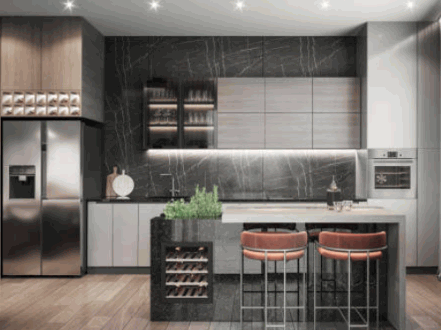
Designing your kitchen can be daunting, but avoid the worst mistakes and you can make it both functional and appealing. Start by making sure movement and accessibility are easy. Select appliances and fixtures that fit your needs. Pick colors and materials to enhance the look. Don’t forget lighting and storage solutions.
For layout, consider a work triangle between the sink, fridge, and stove. Choose energy-efficient appliances to save money and help the environment. Colors and materials should create a cohesive theme that reflects your personal style and complements the home.
Don’t miss this chance to make your kitchen dreamy! Avoid common design mistakes, grab some design magazines for inspiration, and consult with professionals. Start your exciting journey to create the kitchen of your dreams!